
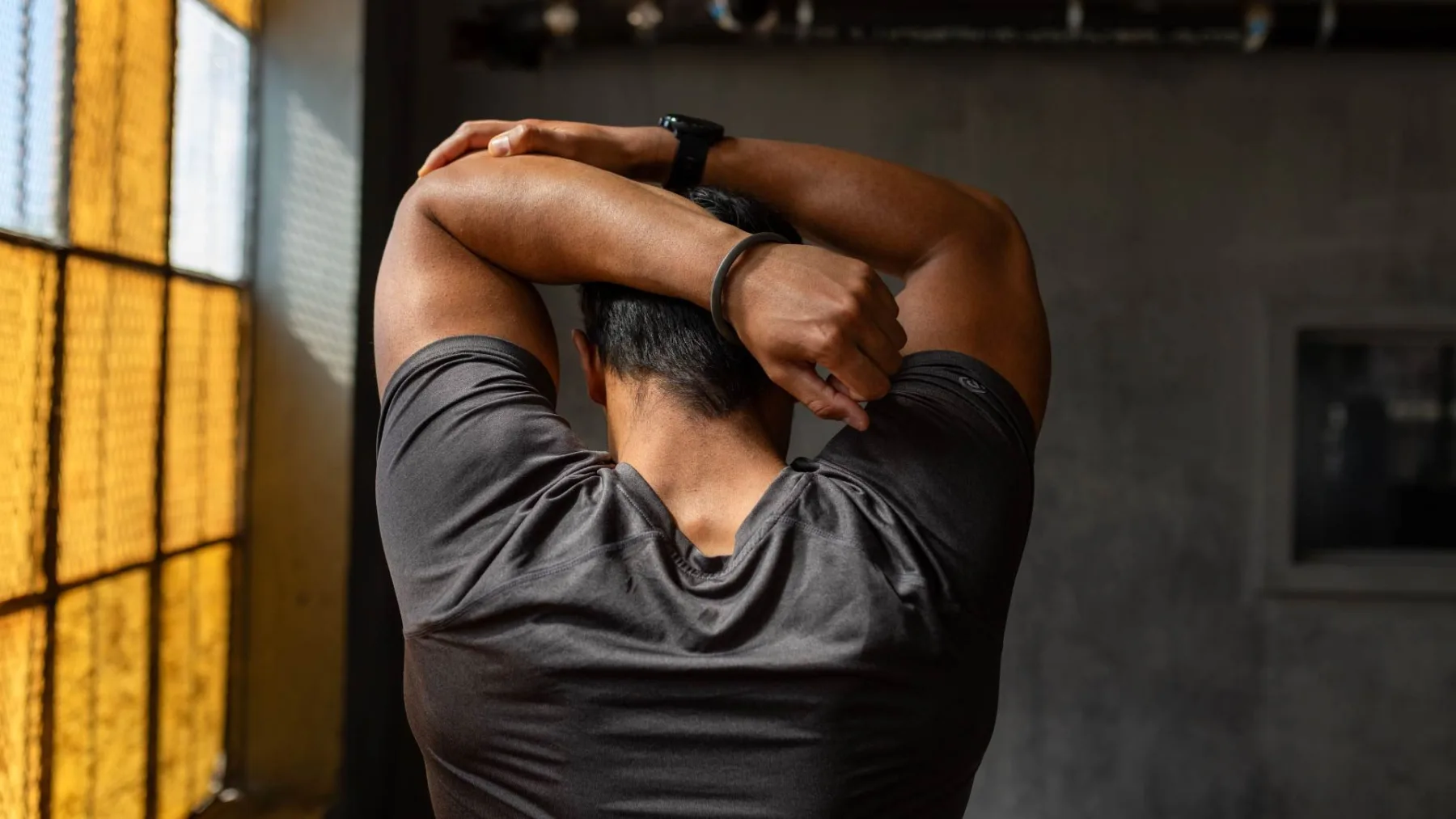
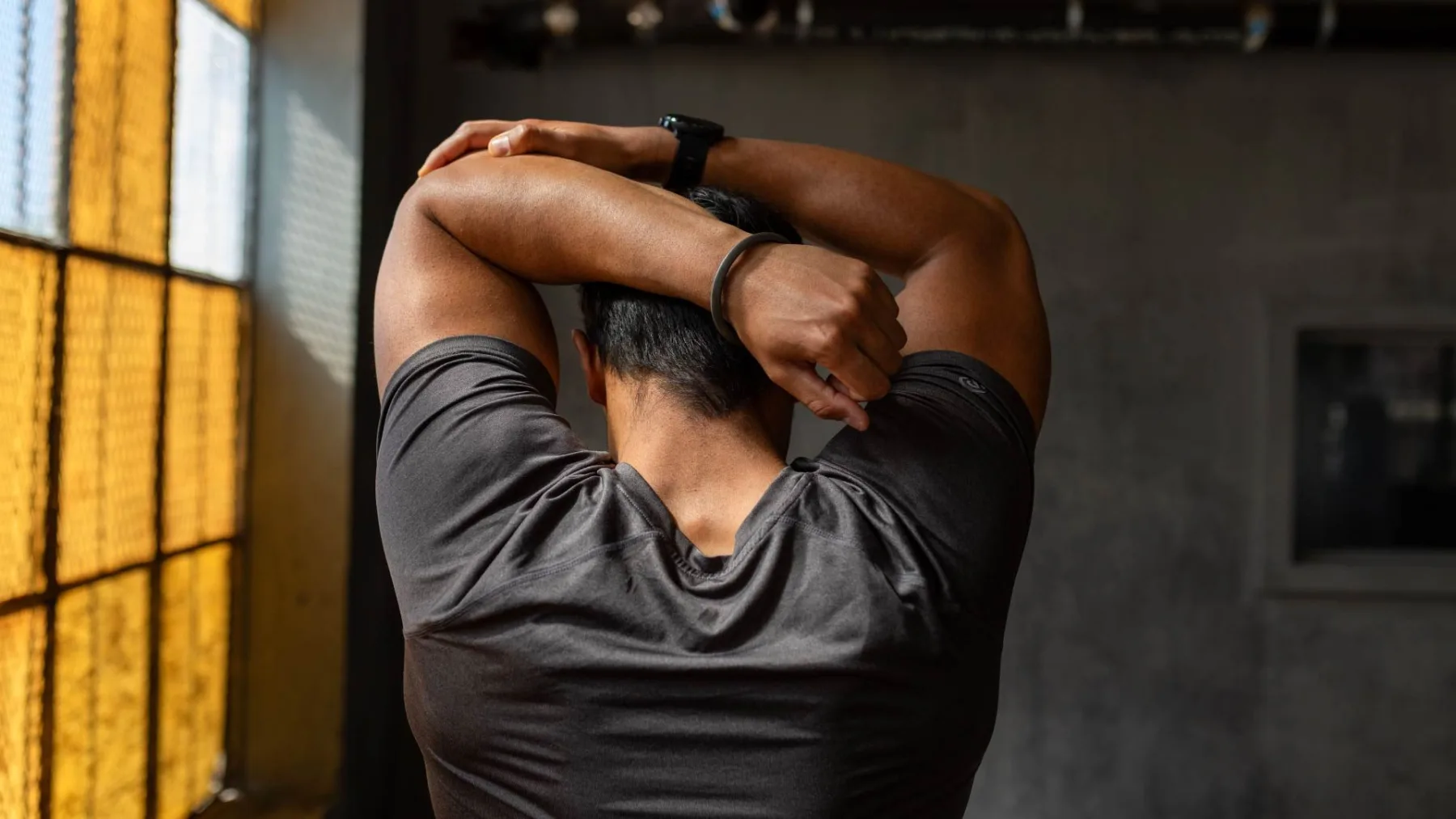
A good performance base layer should be the item you forget you're wearing.
It keeps you warm when temperatures drop. Moves moisture away from the skin when the pace picks up. It stretches, breathes, and dries quickly. Whether someone is running before work, spending a day on the trails, or grinding through an uphill climb on the bike, the best base layers simply get on with the job.
Until they start to smell.
For brands developing an odor-resistant base layer, that matters more than it might at first appear. Because odor is not simply an inconvenience after a workout. It can influence how frequently someone wears a garment, how quickly they wash it, and ultimately, how they judge its performance.
And some of the very materials that make modern performance apparel so effective can make odor particularly difficult to manage.
Why performance fabrics can hold onto odor
Synthetic fibers have transformed technical apparel and sportswear for good reason. Polyester and other performance materials can be lightweight, durable, quick-drying, and highly effective at managing moisture. Add sophisticated constructions, stretch technologies, and cooling textiles, and today's base layer can do considerably more than keep someone warm.
But there is a catch.
Polyester odor retention can become particularly noticeable in garments worn close to the skin. Sweat itself is largely odorless. The familiar post-workout smell develops as microorganisms interact with components of sweat and body oils. This is why odor retention in synthetic fabrics can be such a frustrating problem for consumers. The shirt has been washed. It looks clean. But one close-up sniff, and yesterday’s workout is still hanging around.
How odor control can support product quality and brand value
The performance apparel market has become remarkably sophisticated.
Consumers compare fabric weights, moisture management, breathability, thermal regulation, and construction before making a purchase. They read reviews. They discuss gear. And once they find something that works, they can become fiercely loyal to it.
Odor can quietly undermine that relationship.
A consumer may not know why one polyester garment develops persistent odor faster than another. They simply know which one they reach for again.
That is the commercial opportunity for apparel manufacturers.
Treating odor management as part of product engineering rather than an afterthought can help brands deliver a more complete performance experience. One that lasts beyond the first wear and extends into the repeated, decidedly less glamorous reality of training, sweating, washing, and wearing again.
The best odor control strategy starts with the garment
There is no universal recipe for creating odor-resistant athletic apparel.
A lightweight running base layer has very different requirements from a thermal ski garment. Fiber composition, fabric construction, treatments, wash durability, manufacturing processes, and the conditions in which the finished garment will be worn can all affect the appropriate solution.
That is why effective odor-control textiles should begin with the product itself rather than with a technology selected in isolation.
- What causes the odor problem?
- How will the garment be used?
- How often will it be washed?
- What performance properties must remain unchanged?
- What claims does the brand ultimately want to make?
Answering those questions early gives product development teams a much better chance of creating an odor-control solution that works with the fabric rather than fighting against it.
Microban odor-control solutions for performance textiles

Microban works with textile brands, mills and manufacturers to understand the material, manufacturing process, target performance and consumer need before recommending an appropriate odor-control solution.
Our teams can support development from initial technology selection and laboratory testing through to claims guidance and commercialization. Below is just a few of the odor-control technologies within Microban's technology portfolio.

AEGIS odor control is compatible with high-performing water-repellent systems and many other auxiliaries used on apparel and footwear.


Designed to target and neutralize a broad range of odorants, including body odor and environmental odors. Seamlessly compatible with wicking aids and DWRs, preserving the fabric’s original performance and comfort.

A nature-inspired*, heavy-metal-free odor-control technology that targets up to four key odorants simultaneously and meets GB/T 33610 and ISO 17299 standards.
Developing your next odor-resistant base layer?
If a persistent odor is affecting the performance of your synthetic fabrics, it may be worth addressing the issue before the next material specification is locked.
Talk to Microban about your fabric, manufacturing process and performance objectives. Our textile specialists can help you explore an odor-control approach designed around the needs of your product.