
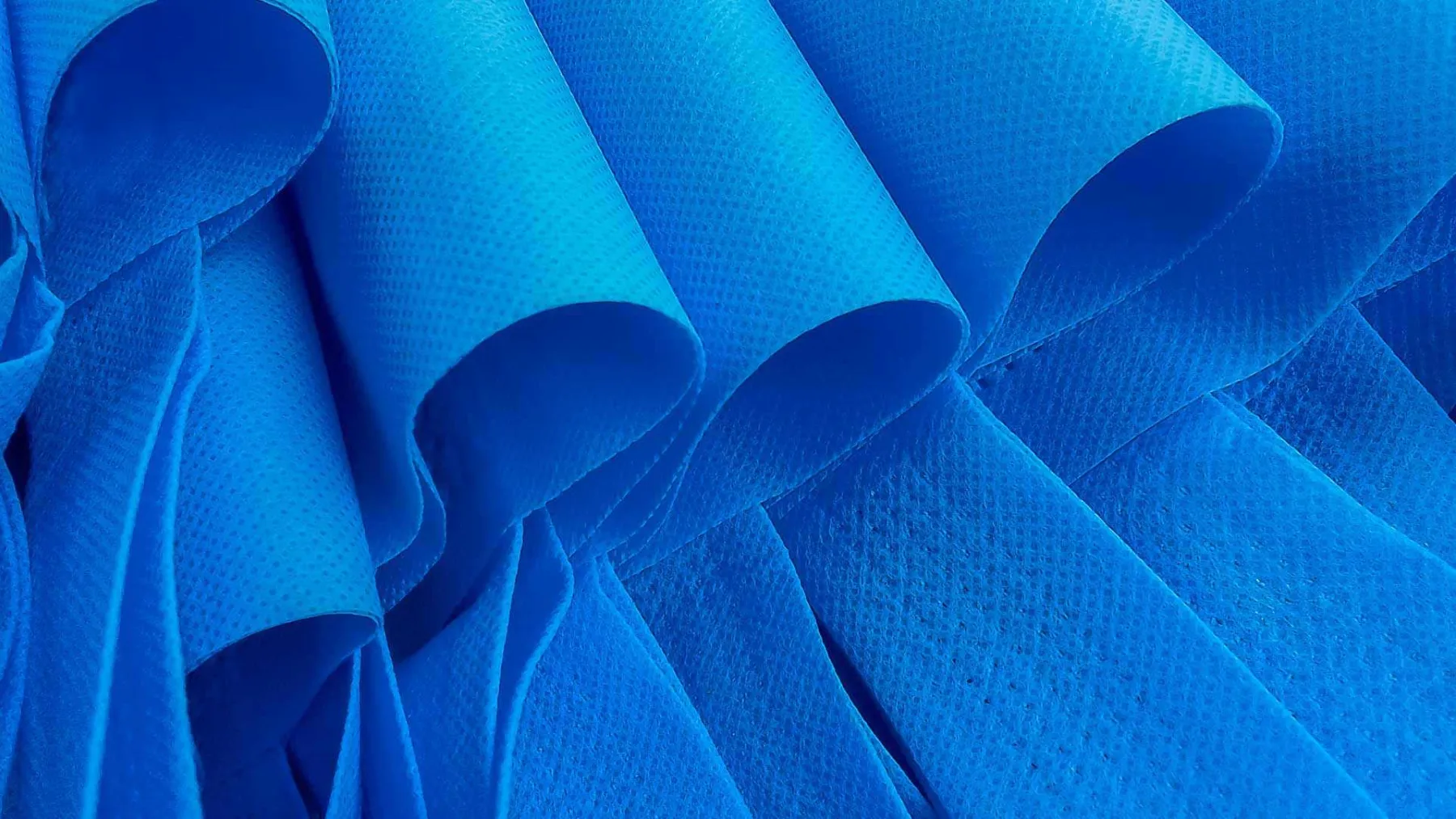
Nonwoven materials often do jobs most people rarely think about. They filter air and water, absorb spills, support cleaning applications and form part of products ranging from wipes to surgical gowns.
But when those materials are exposed to moisture, organic matter and repeated use, another issue can emerge: persistent odor.
For manufacturers, that matters because odor is rarely perceived by end users as a technical issue. It is experienced as a product issue. A filter that develops an unpleasant smell can feel past its best. A nonwoven material that no longer smells fresh can affect the product's comfort and confidence.
As expectations around product freshness continue to grow, odor control is becoming an increasingly important consideration in nonwoven material performance and product differentiation.
Why persistent odor becomes a product problem in nonwovens
Nonwovens are designed to capture, absorb or interact with their surroundings. These properties make them highly effective, but they can also expose the material to moisture, heat, organic matter and other sources of odor.
Depending on the application, these conditions can allow odor-causing bacteria or odorants to build up within the material.
Once odor develops, simply masking it does not necessarily address what is happening within the material. For manufacturers, the greater opportunity lies in considering how odor can be managed as part of the product's design.
That shifts the conversation from post-care treatment to a preventive solution.
How persistent odor can affect product quality
Consumers cannot always see what is happening inside a filter, wipe or nonwoven layer. Instead, they rely on other cues to judge its condition.
Odor is one of them.
A noticeable smell can quickly create the impression that a product is old, dirty or no longer performing as expected, even when the underlying material may still be functional.
That perception matters.
From filtration products to healthcare and cleaning applications, users increasingly expect products to remain fresh throughout their intended use. When they do not, the experience can affect satisfaction, perceived quality, and ultimately how the manufacturer behind the product is viewed.
In that sense, odor is not simply an unpleasant side effect. It can become part of the product brand experience.
Where Microban can help address odor in nonwoven products
The opportunity stretches across a wide range of nonwoven applications.
Filters may encounter moisture and captured organic matter over extended periods of use. Wipes and absorbent materials can remain damp after exposure to liquids. Medical and protective nonwovens, including gowns and other wearable materials, may be used in environments where heat, moisture and prolonged contact can contribute to unwanted odor.
The challenge may look different in each application, but user expectations are increasingly similar: products should continue to feel fresh and fit for purpose.
Integrating odor-control technology into the material can help manufacturers build that expectation into the product from the beginning.
How Microban helps select the right technology for fresher nonwoven products
There is no single solution to every odor challenge.
Different nonwoven materials encounter different environments, manufacturing processes and end-use conditions. The source of odor can vary too.
Microban works with manufacturers to understand those variables, among others, before recommending a solution.
Depending on the application, technologies can help inhibit the growth of odor-causing bacteria on the treated material or help capture unwanted odor molecules before they become noticeable.
The goal is to identify an approach that works with the material, manufacturing process and intended product experience rather than treating odor control as an afterthought.
EcoFresh: Broad-spectrum odor control for demanding applications
Some odor challenges are not linked to one specific source.
A nonwoven material may encounter body odor during use, smoke or environmental odors in the surrounding air, pet-related smells, or strong food odors from cooking, fish and other organic sources.

EcoFresh™ by Microban is designed to help address a broad range of these unwanted odorants. Integrated into the nonwoven during manufacturing, EcoFresh odor control helps capture odor molecules and reduce their impact on the treated nonwoven.
That broad odor-control capability makes EcoFresh particularly well-suited for nonwoven applications that may encounter multiple or unpredictable odor sources during use.
For manufacturers, it creates an opportunity to build a stronger sense of freshness into the nonwoven product itself, helping the end-user experience stay closer to the quality the brand intends, particularly with air filters.

FREQUENTLY ASKED QUESTIONS
Will Microban technology change how the nonwoven product looks or feels?
No. Microban technologies are designed to integrate into nonwoven materials without changing how the product looks or feels. The right solution is selected and tested to suit the material and manufacturing process.
Does Microban technology replace regular cleaning?
No. Microban technology complements regular cleaning and does not replace it.