
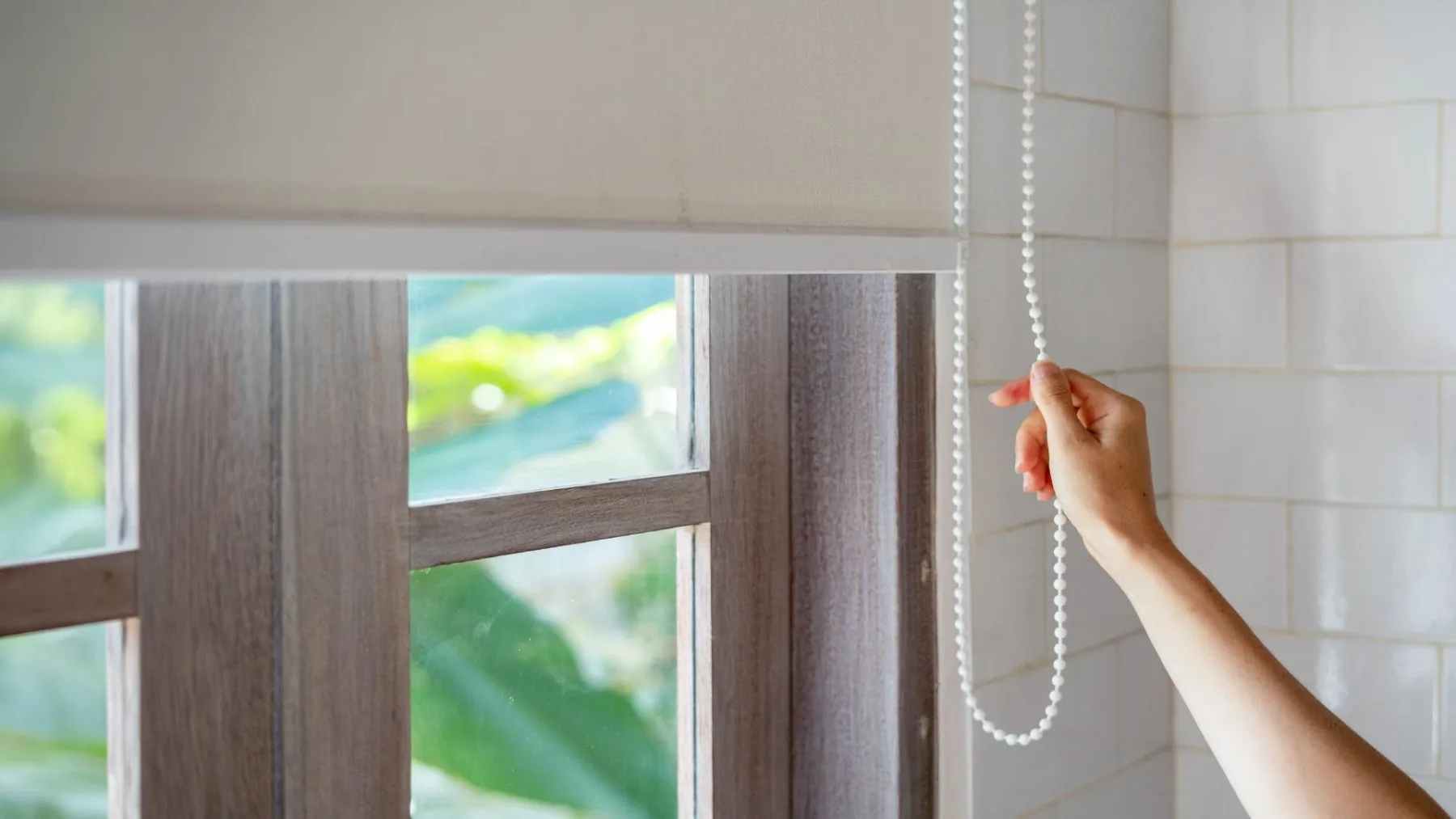
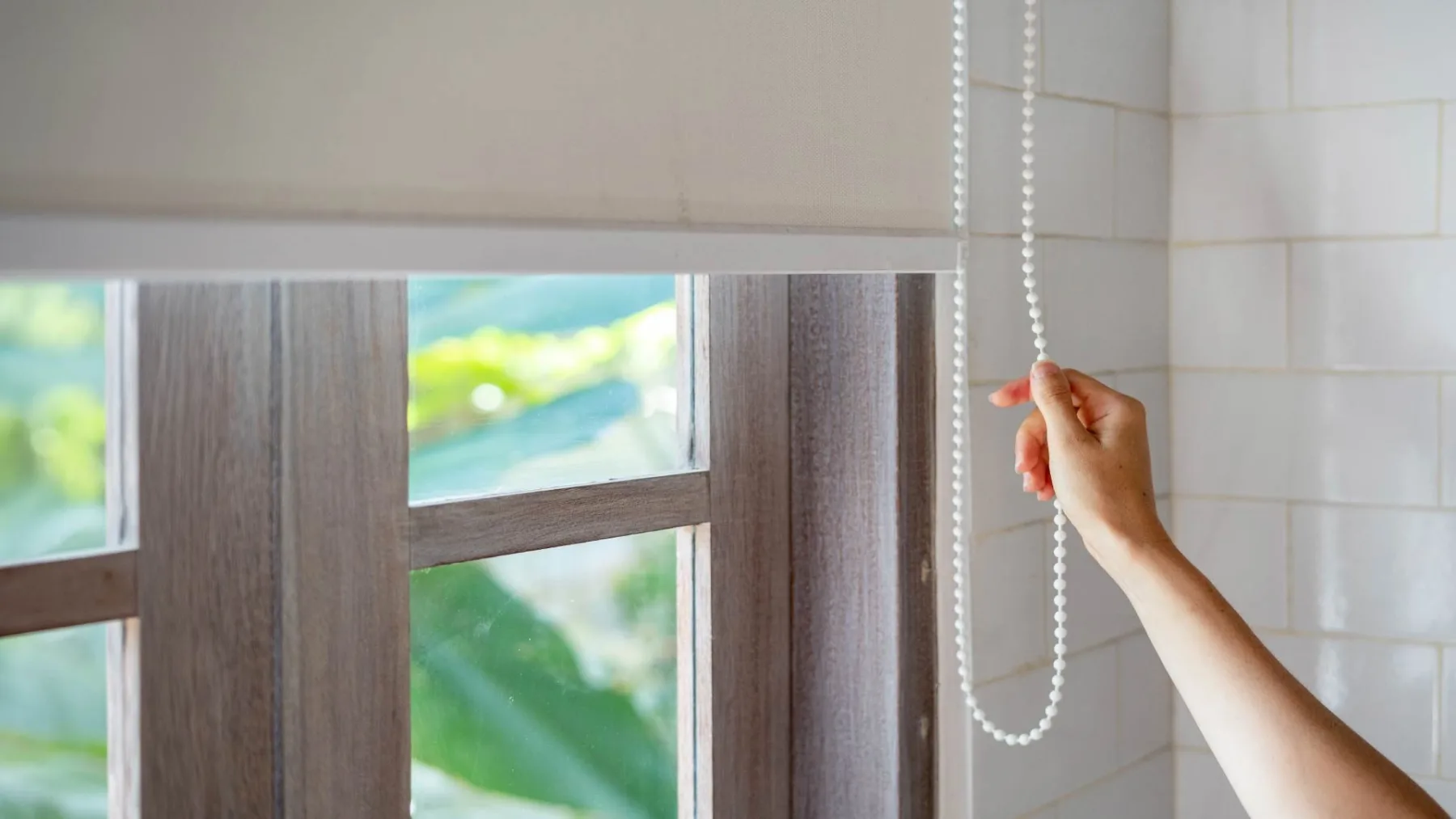
Light control, privacy, thermal performance, and aesthetics are all important considerations when developing a new blind or shade range. But how well does the product stand up to its everyday environment?
Positioned close to windows, blinds are regularly exposed to condensation, moisture, and temperature fluctuations. These conditions can encourage mold and mildew growth, affecting the appearance and freshness of materials.
For manufacturers, this presents an opportunity to address another customer concern through product design.
Add a protection benefit to your blind and shade range
Consider where your blinds are installed. From residential kitchens and bathrooms to outdoor patios and commercial buildings, window coverings face a variety of environmental conditions. While regular cleaning and good ventilation can help manage mold growth, manufacturers have limited control over how customers maintain their products once installed.
So, why not build an additional layer of surface protection into the product itself?
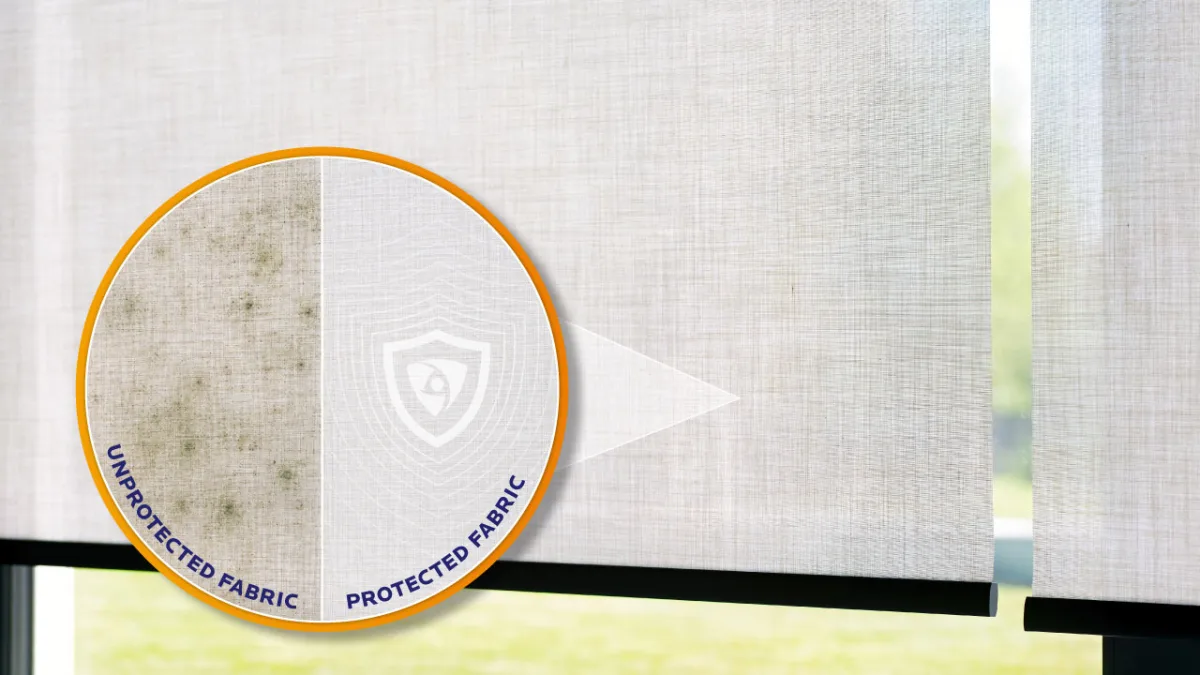
Microban antimicrobial technologies can be incorporated into a range of materials during manufacturing to help inhibit the growth of microbes that cause staining, unpleasant odors and material deterioration.
For blind and shade manufacturers, this presents an opportunity to:
- Address a practical customer concern through product innovation.
- Differentiate products beyond design, color and light control.
- Introduce an additional performance feature to selected or premium collections.
- Create a stronger product proposition for residential and commercial markets.
Instead of relying solely on how customers care for their blinds, manufacturers can make antimicrobial product protection part of the product’s functionality.
Phifer: Bringing Microban protection to window coverings
Wondering what this looks like in an existing window covering application?
Phifer, a manufacturer of sun control and performance fabrics, incorporates Microban antimicrobial technology into their SheerWeave® interior shading collection.
Designed to manage natural light, heat and glare, selected SheerWeave fabrics feature Microban protection against bacteria, mold and mildew. Applications include roller shades, Roman shades and vertical blinds.

Support your product story with the Microban Trustmark
Developing a product with additional functionality is one thing. Communicating why that functionality matters to customers is another.
Terms such as antimicrobial, antifungal and mold-resistant can be difficult for customers to distinguish. Without a clear explanation, customers can easily overlook a valuable technical feature.
Partnering with Microban gives manufacturers access to more than antimicrobial technology. Our marketing expertise can translate technical performance into meaningful customer benefits and support bringing protected products to market. Depending on the partnership and application, this could include:
- Microban branding opportunities.
- Product packaging and point-of-sale messaging.
- Digital and e-commerce content.
- Customer-facing educational materials.
- Sales team training and product knowledge resources.
Whether your products are sold through retailers, specialist distributors or commercial specification channels, the objective is the same: give customers a clear reason to choose your product.
Develop your next window covering range with Microban
You don’t need to develop an entirely new collection to add product functionality.
The opportunity could sit within an existing range, an upcoming product refresh or a new collection designed for moisture-prone environments.
Microban works with manufacturers to evaluate opportunities based on material composition, manufacturing processes, intended applications and product performance requirements.
Planning your next blind or shade collection? Speak to our team to explore which materials could benefit from built-in Microban protection and how this functionality could add commercial value to your range.