
How antimicrobial additives support injection-molded plastic components
Unlike surface coatings, antimicrobial additives are incorporated directly into the polymer during manufacturing. The technology becomes part of the finished plastic component, providing continuous product protection without changing how the product is used or maintained.
Because the additive is integrated throughout the material, it won't wash off or wear away through normal use and routine cleaning. This enables manufacturers to add long-lasting product protection without compromising the product's appearance, performance, or usability.
While antimicrobial technology helps protect the treated plastic itself, it is designed to complement, not replace, normal cleaning and hygiene practices.
Additive selection during injection molding
Adding antimicrobial protection isn't simply a case of selecting an additive. The technology needs to work alongside your chosen polymer, manufacturing process, and end-use requirements.
The earlier these considerations are addressed during product development, the easier it is to avoid unnecessary reformulation, production delays or additional validation later in the project.
Key factors include:
Polymer type
Processing temperatures
Residence time during molding
Color and aesthetic requirements
Mechanical performance targets
End-use environment
Regulatory requirements
The right antimicrobial solution should integrate seamlessly into existing manufacturing processes while maintaining the performance characteristics customers expect from the finished product.

Why polymer compatibility matters
Not every antimicrobial technology is suitable for every resin. Selecting a compatible solution helps ensure reliable processing, consistent product quality, and effective long-term product protection.
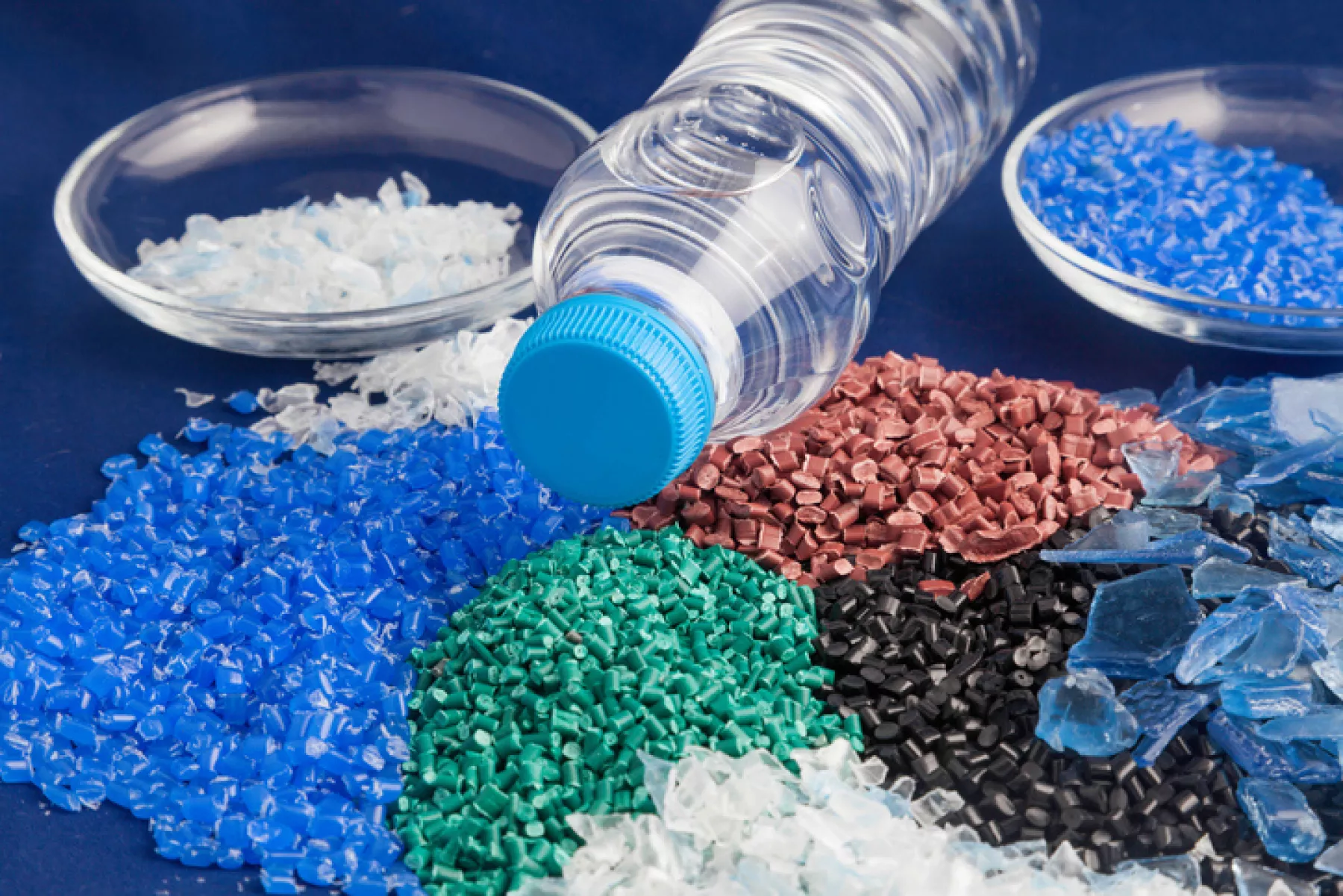
Many manufacturers introduce antimicrobial protection using a masterbatch, allowing the additive to disperse evenly throughout the polymer during processing.
When properly formulated, an antimicrobial masterbatch can help manufacturers achieve:
Uniform additive distribution
Consistent product quality
Efficient processing
Greater formulation flexibility
Antimicrobial solutions are available for a wide range of commonly used polymers. The most appropriate solution depends on both the material and the intended application.
Antimicrobial Product Protection Considerations for Plastic Manufacturers
Adding antimicrobial technology is one way manufacturers can enhance the long-term performance of molded plastic products.
The best results come from selecting a solution that is compatible with the chosen polymer, suitable for the manufacturing process and appropriate for the product's intended use. When these factors are considered together, manufacturers can help protect plastic components against bacteria that can contribute to odors, staining and material degradation throughout the product's service life.
Partnering with the right expertise
Developing an antimicrobial-treated plastic product requires more than selecting an additive. It requires expertise in polymer science, processing, testing, and regulatory compliance to ensure the technology integrates successfully into your product.
Microban works alongside manufacturers throughout the development process, helping teams make informed decisions from material selection through to commercialization. With decades of experience in antimicrobial technologies, global regulatory knowledge and application-specific technical support, Microban helps manufacturers reduce development risk, streamline implementation and bring differentiated products to market with confidence.
Whether you're optimizing an existing product or developing a new one, the right antimicrobial solution can help you deliver longer-lasting plastic components that perform consistently throughout their intended service life.