
Proven in filtration products from leading Global Brands




The hidden failure point in filtration performance
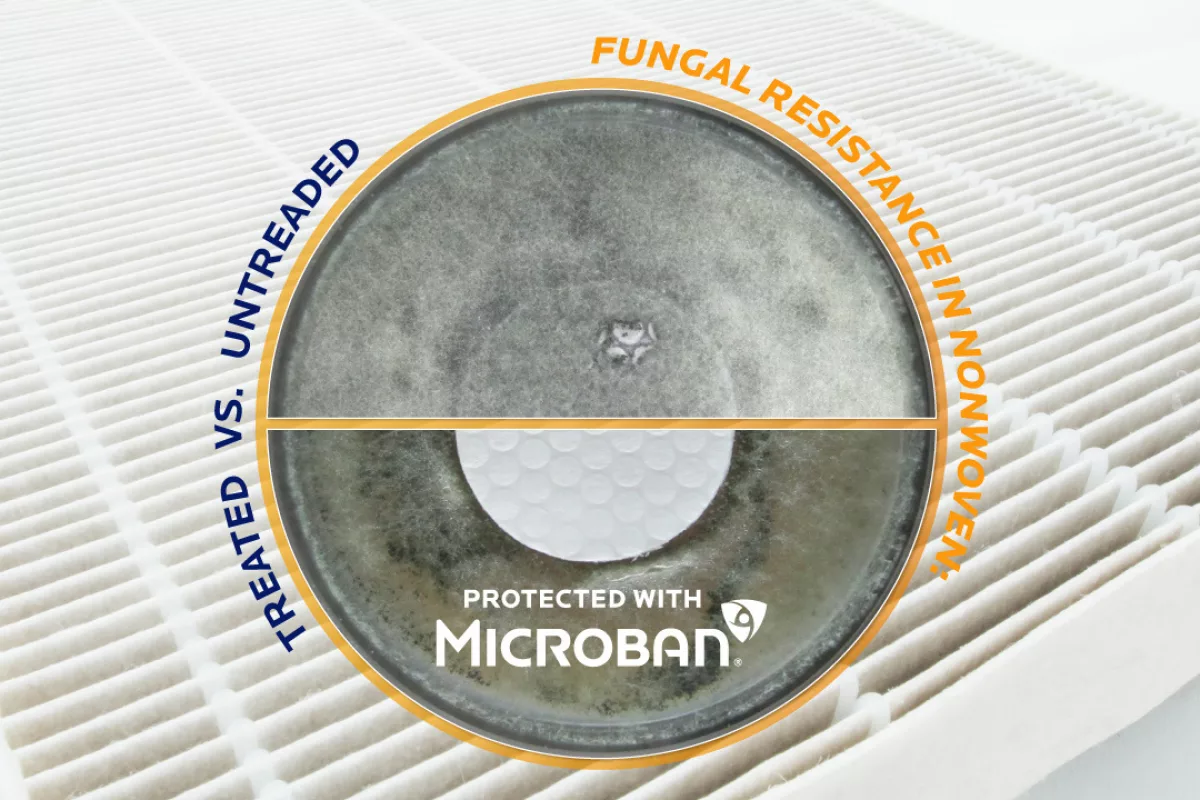
Filtration systems are expected to deliver consistent performance over time. In reality, one of the most common and overlooked failure points is microbial growth inside the filter media.
As bacteria and fungi accumulate, they begin to degrade materials, restrict airflow, cause odors, and shorten filter life. For OEMs and filter manufacturers, this creates a gap between expected performance and real-world outcomes.
Antimicrobial filter technology addresses this at the material level. By integrating antimicrobial additives directly into filtration media, manufacturers can protect filter integrity, maintain efficiency, and support more reliable product claims.
Why do filters become a breeding ground for bacteria and mold
Filtration systems are built to capture contaminants. In doing so, they also create an environment where microbes can thrive.
Moisture, trapped organic particles, and temperature fluctuations all contribute to microbial growth across applications, including HVAC systems, water filtration units, and industrial processes. Over time, this leads to surface contamination within the filtration media itself.
Without antimicrobial protection, microbial activity accelerates material degradation and compromises performance. For systems expected to operate reliably over extended periods, this becomes a critical design challenge.
The impact on performance, maintenance, and end-use environments
Microbial growth on filter surfaces may start gradually, but it inevitably drives performance decline.
As bacteria and mold develop within the media, they can:
- Restrict airflow
- Accelerate degradation of fibers and binders
-
Cause persistent odors
- Shorten filter life and increase servicing costs
In high-demand environments such as HVAC, vehicle cabin air, and industrial processing, these issues escalate quickly. What begins as microbial contamination quickly becomes a measurable drop in performance and reliability.
A material-level solution to a systemic problem
To close the gap between expected and real-world performance, protection needs to be built into the filter itself.
Antimicrobial filter technology works at the material level by integrating antimicrobial additives directly into the filtration media during production. This helps prevent microbial growth from taking hold, protecting the filter's structure and function over time.
The result is more stable performance, improved durability, and greater confidence in product claims.
Treated article compliance for antimicrobial filtration products
This isn’t just a performance consideration. It also affects how antimicrobial filtration products are positioned and brought to market.
Most antimicrobial filters are regulated as treated articles, meaning the antimicrobial function must protect the product itself rather than claim direct health benefits.
This impacts:
- Product claims and marketing language
- Labelling requirements
- Compliance with frameworks such as EU BPR and US EPA guidance
Understanding these requirements early helps manufacturers avoid regulatory risk while maintaining credible, compliant product positioning.
Microban-enhanced filters from trusted brands
Antibacterial water filters
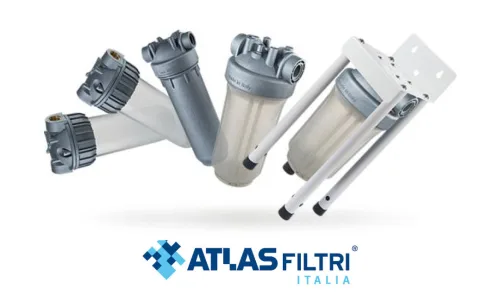
The Sanic line from Atlas Filtri features advanced antimicrobial protection, creating patented water filters with bacteriostatic properties. Unlike standard filters, Sanic helps prevent bacterial growth on the filter's surface.
From filter housings and cartridges to reverse osmosis systems for home use, every component is designed for a cleaner, fresher filtration system.

Cabin air filters with antimicrobial protection
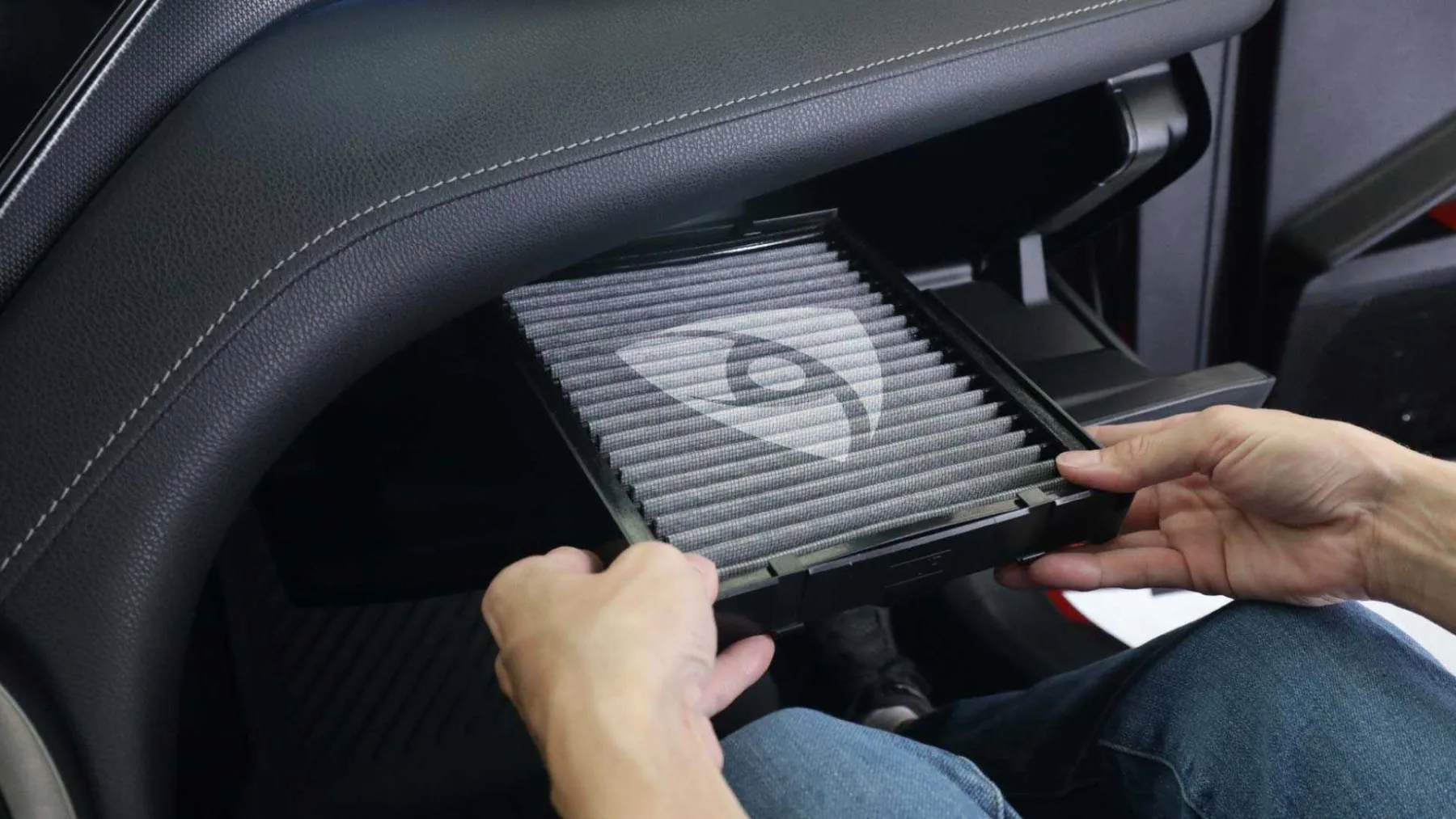
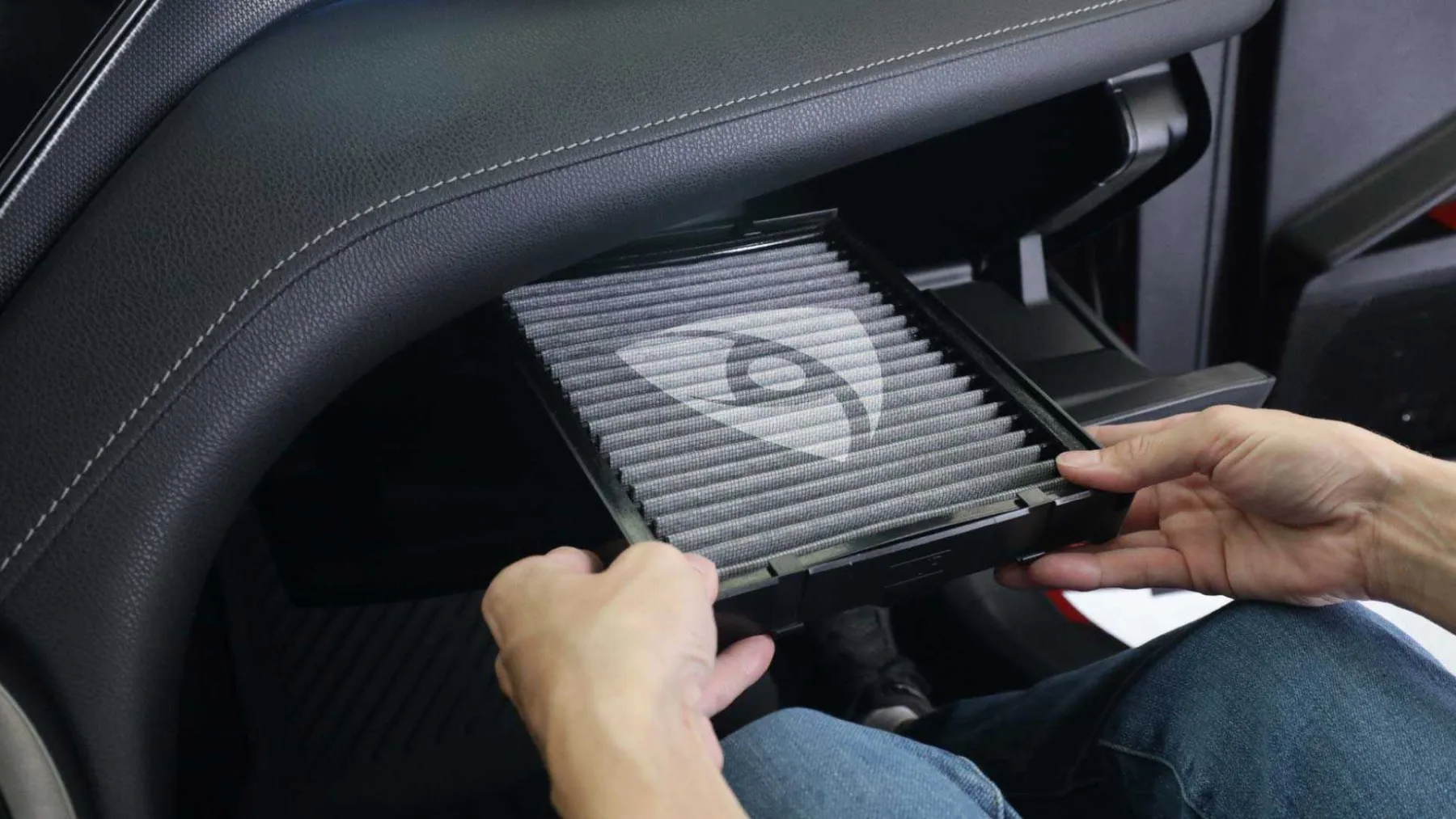
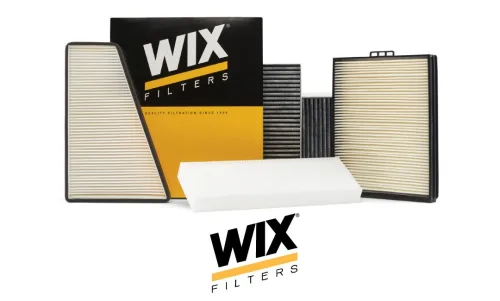
WIX® cabin air filters with Microban® technology help block harmful particles from entering your vehicle. They also provide built-in antimicrobial protection to help prevent the growth of bacteria, mold and mildew on the filter.
Work with Microban to strengthen filtration performance
Microban provides antimicrobial technologies designed to protect filtration media from microbial degradation and support long-term performance.
By combining antimicrobial polymer additives, technical expertise, and regulatory guidance, Microban helps manufacturers develop filtration products that meet both technical and commercial demands.
From vehicle cabin air systems to water filtration and industrial applications, antimicrobial integration supports durability and efficiency.
FREQUENTLY ASKED QUESTIONS
What stage is antimicrobial additive integrated into filter media?
Antimicrobial additives are built into the media during production, including polymer compounding, fibre extrusion, or nonwoven formation.
What is antimicrobial filter technology?
Antimicrobial filter technology refers to the integration of antimicrobial additives into filtration media to protect the material from microbial growth.
How is antimicrobial efficacy in filter media measured and validated?
Efficacy is typically validated using standardised test methods that measure reduction of microbial growth on treated materials over time.
How does treated article compliance work and what claims are permitted?
Claims must focus on protecting the product itself, not on delivering health benefits to the user, in line with regulatory frameworks such as EU BPR and US EPA.
What documentation should OEMs request from an antimicrobial additive supplier?
Manufacturers should request efficacy data, regulatory support documentation, and guidance on compliant product claims and labelling.