
The hidden role walls play in hygiene-critical environments
Every surface contributes to the look and feel of a space.
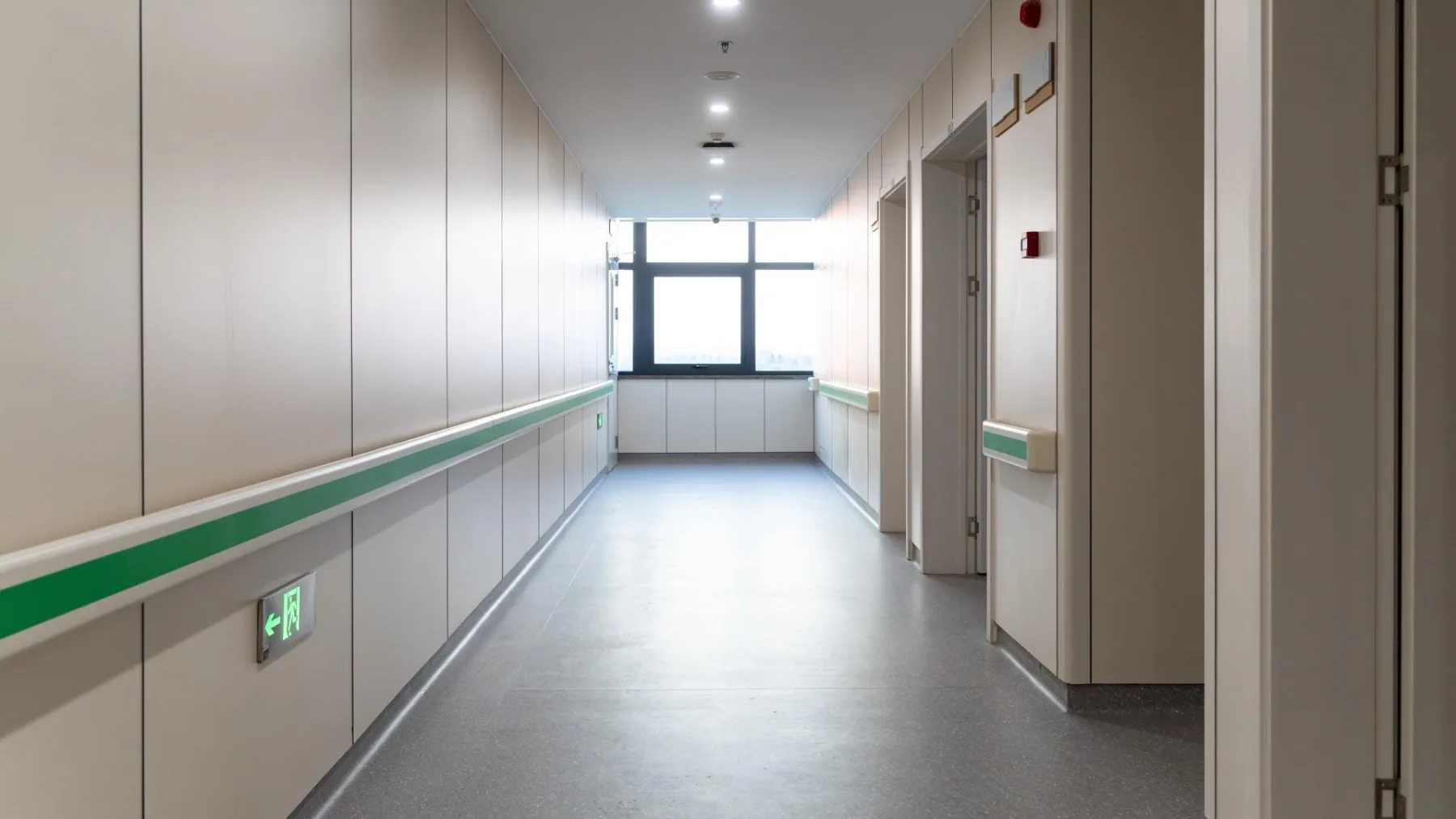
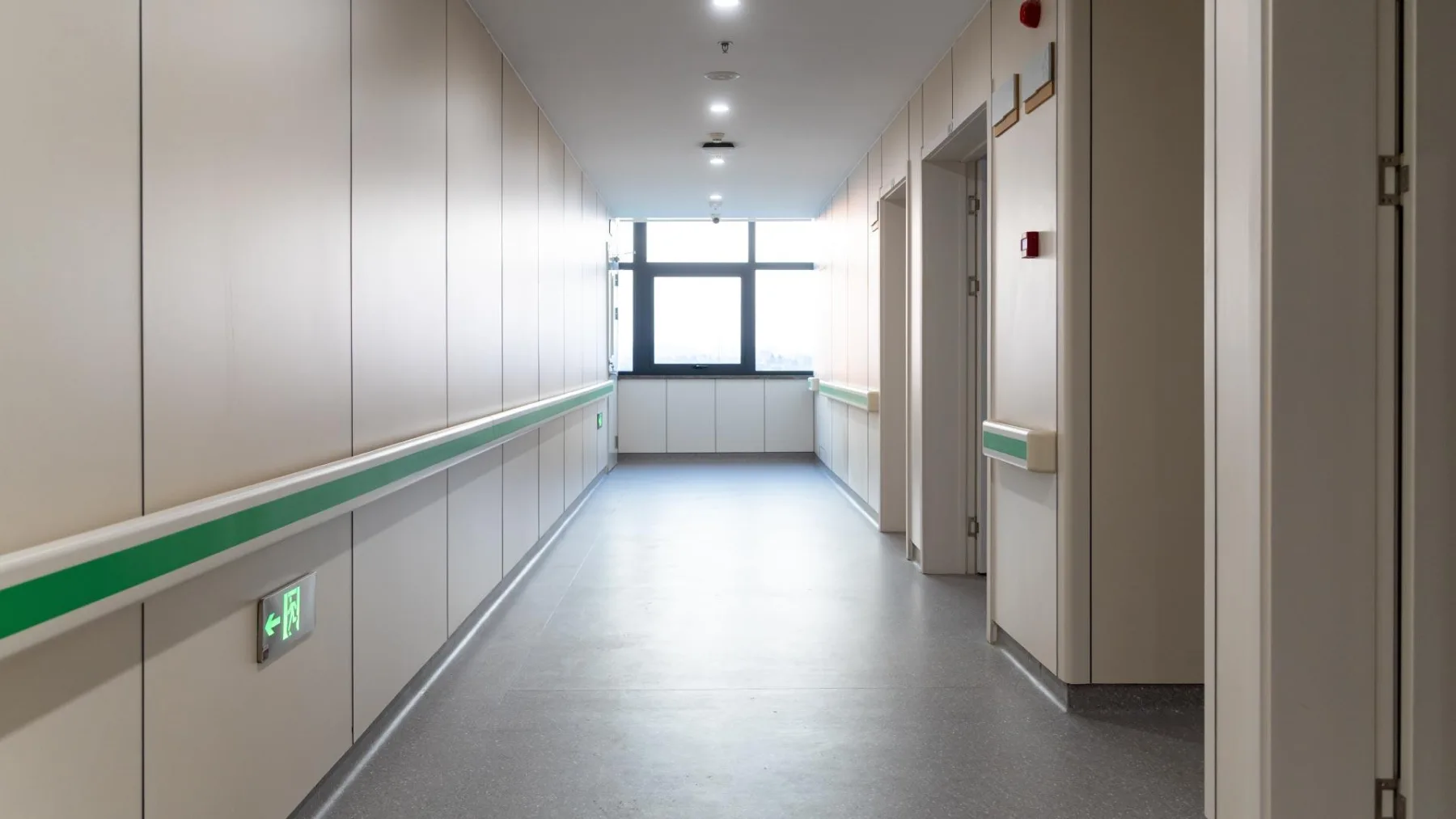
In a hospital, a wall panel isn't simply decorative. It becomes part of the patient's perception of care. In a food production facility, it forms part of a wider system designed to support hygiene standards. In a laboratory, it helps create an environment where precision and cleanliness are non-negotiable.
The challenge is that walls are exposed to constant pressure.
Moisture, cleaning chemicals, physical impact, and everyday contamination can all take their toll. Over time, surfaces that are difficult to clean or prone to microbial growth can become weak points within otherwise robust wall systems.
For architects, designers, and manufacturers, a wall covering's value extends far beyond aesthetics. Today's specifications must balance design appeal with durability, cleanliness and long-term performance.
What are antimicrobial wall coverings?
Antimicrobial wall coverings and wall finishes are decorative wall surfaces, including wall panels, that are enhanced with antimicrobial additives.
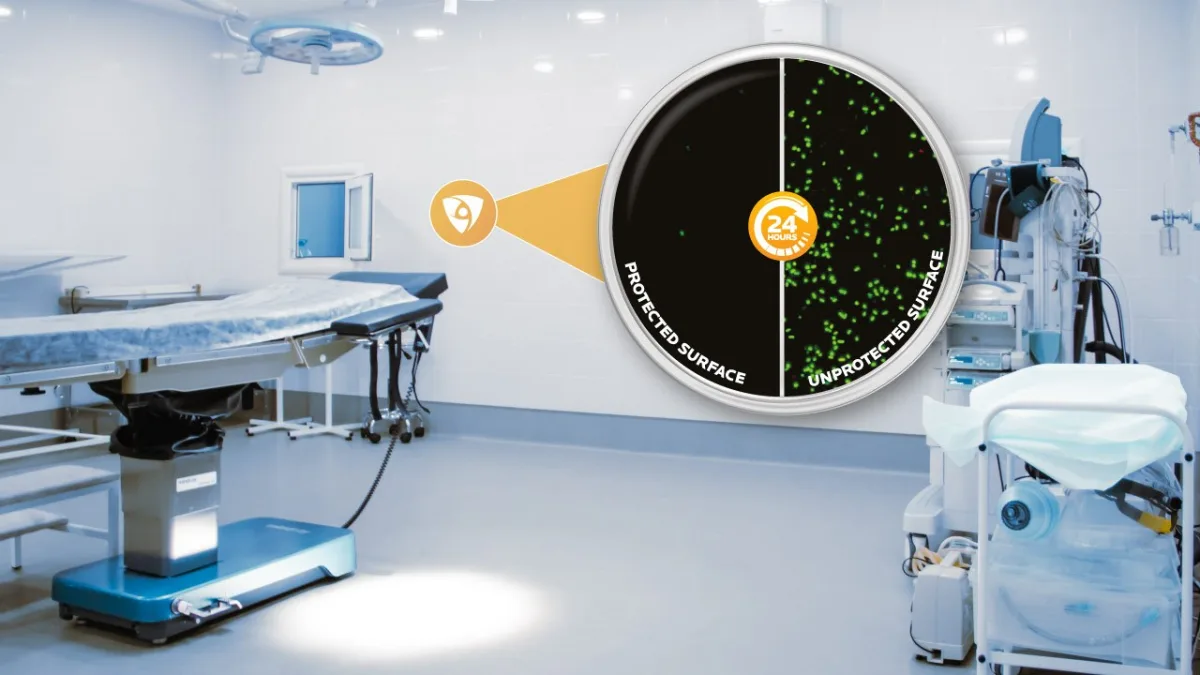
These additives are built directly into the material to help inhibit the growth of bacteria, mold, and mildew on the treated surface. In environments where cleanliness is a top priority, antimicrobial wall coverings provide an additional layer of surface protection between cleans.

Why does wall material selection matter in healthcare environments?
In environments where hygiene is paramount, material selection can have far-reaching consequences.
Wall finishes that absorb moisture or create opportunities for microbial growth can make cleaning more difficult and increase maintenance demands over time.
That's why healthcare designers and specifiers increasingly look beyond aesthetics when evaluating materials.
The most effective wall systems combine visual appeal with practical performance. They are designed to withstand frequent cleaning, maintain their appearance under pressure and support the wider hygiene objectives of the building.
How do antimicrobial wall coverings support healthcare and food facility specifications?
In healthcare and food production environments,every design decision contributes to the overall performance of the space. Patients, visitors, staff, inspectors, and customers all expect environments that demonstrate a commitment to cleanliness.
Antimicrobial wall coverings support these environments by helping to inhibit the growth of bacteria, mold and mildew on treated surfaces. While they do not replace standard cleaning and disinfection practices, they can complement existing hygiene protocols by providing continuous product protection between cleaning cycles.
For manufacturers and specifiers, this creates an additional layer of confidence when selecting materials for environments where cleanliness is under constant scrutiny.
The benefits of antimicrobial technology in wall coverings and wall finishes
- Supports cleaner surfaces: Helps inhibit bacterial growth on treated surfaces, contributing to a cleaner built environment.
- Provides continuous surface protection: Built into the material itself, Microban antimicrobial technology remains active 24/7 and does not wash off or wear away under normal use.
- Reduces premature surface degradation: Helps protect wall coverings and finishes from microbial growth that can cause staining, discoloration and material deterioration.
- Enhances durability: Supports the long-term appearance and performance of wall coverings by preserving surface integrity.
- Complements existing cleaning protocols: Works alongside routine cleaning and disinfection practices to support overall hygiene strategies.
- Provides added peace of mind: Demonstrates a commitment to cleanliness, helping create spaces where building occupants feel more comfortable and confident.
- Maintains design flexibility: Microban antimicrobial protection can be incorporated into a wide range of wall coverings and finishes without compromising aesthetics or performance requirements.